01
Intelligence
Shows what is happening.
We read public documents, statements and data, and publish where the sources agree, where they disagree, and what nobody has explained yet.
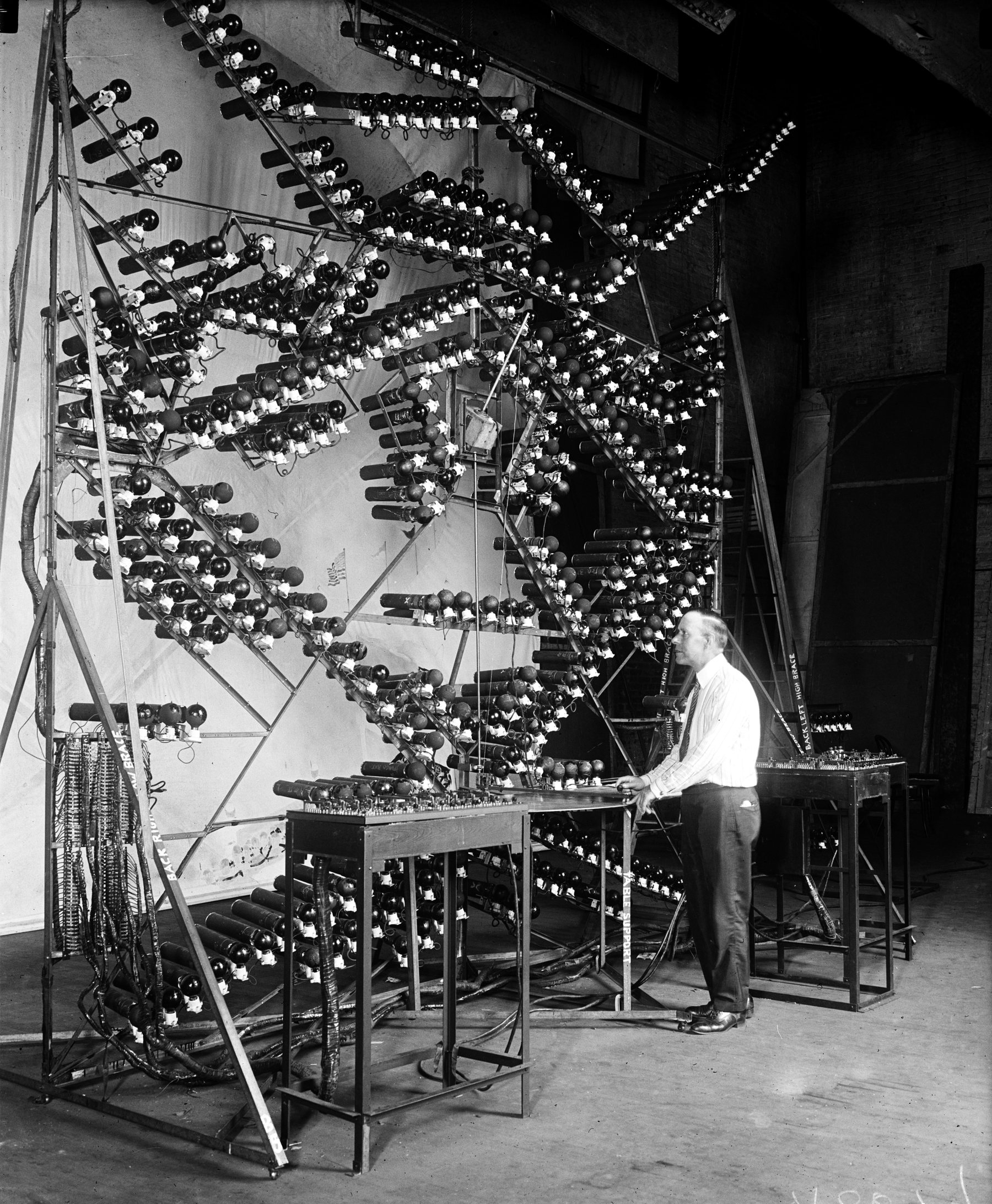
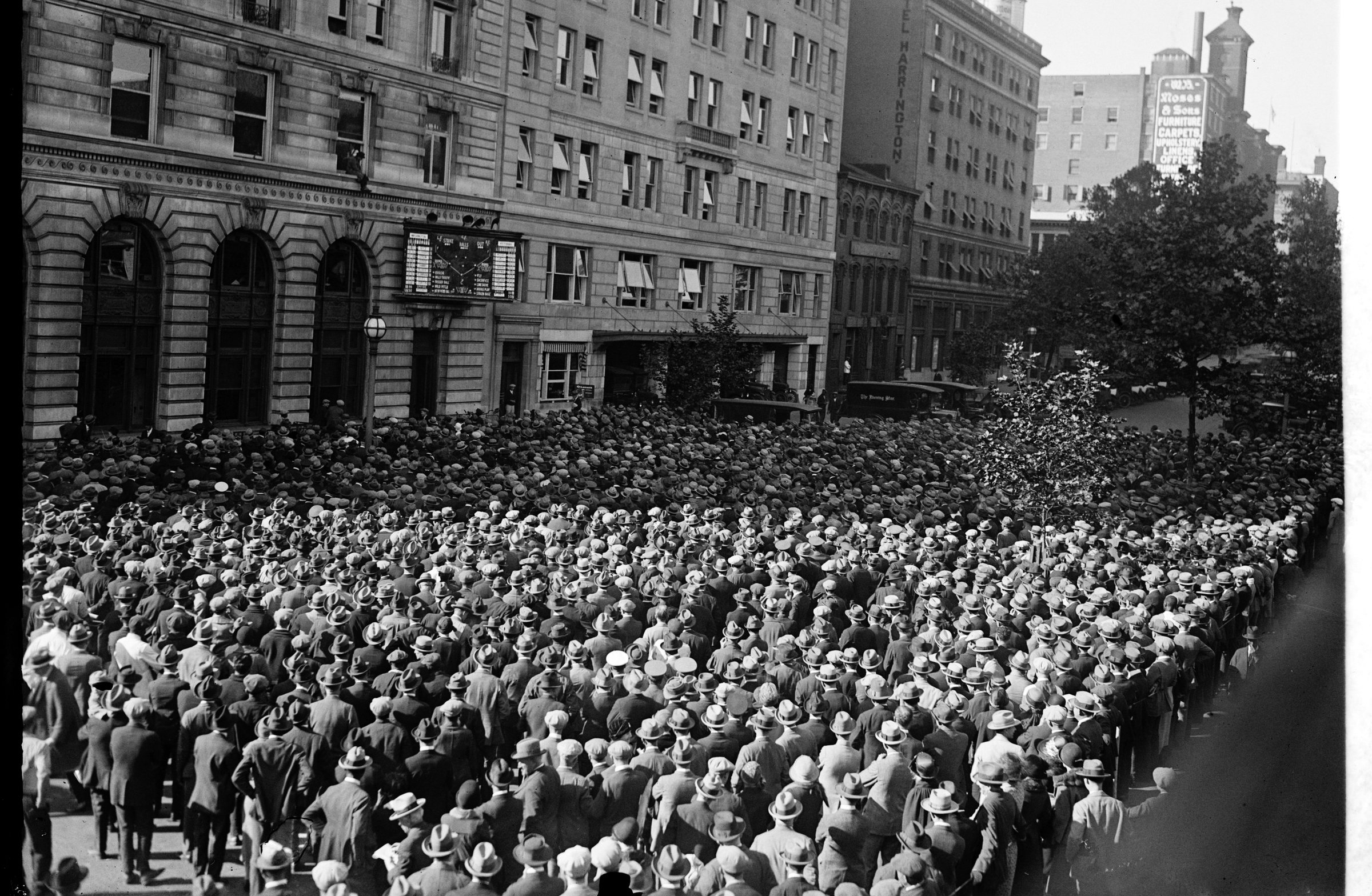
National Photo Company. Washington, D.C., 1925.

Culture-Watch
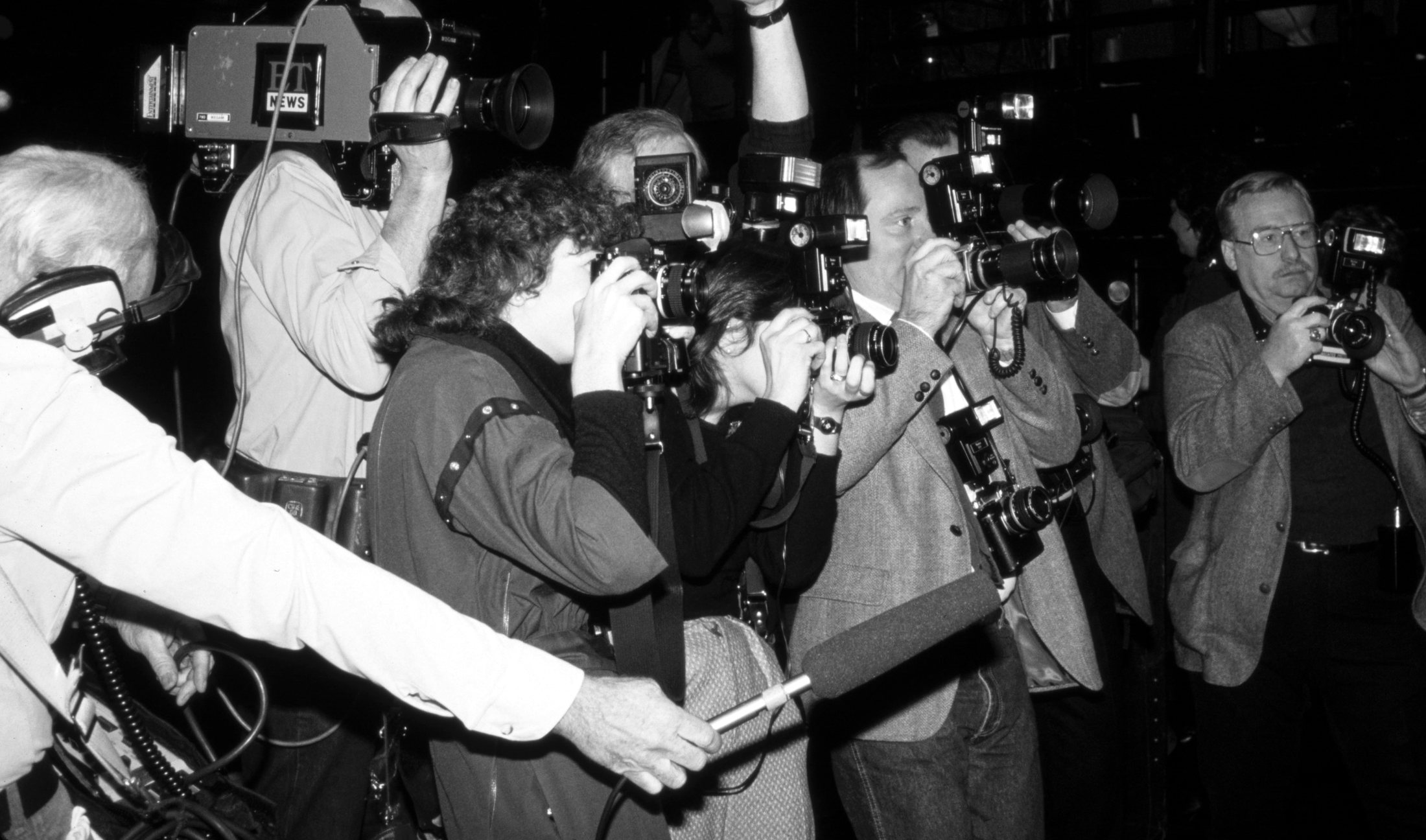
Read the intelligenceRizzuto 1957 · Gotfryd 1970–90 · Lee 1938 · Eye: moodboard, generated
Your numbers show what happened. We examine what could change when you raise a price, enter a market or choose a partner. We say what the evidence cannot yet tell you.
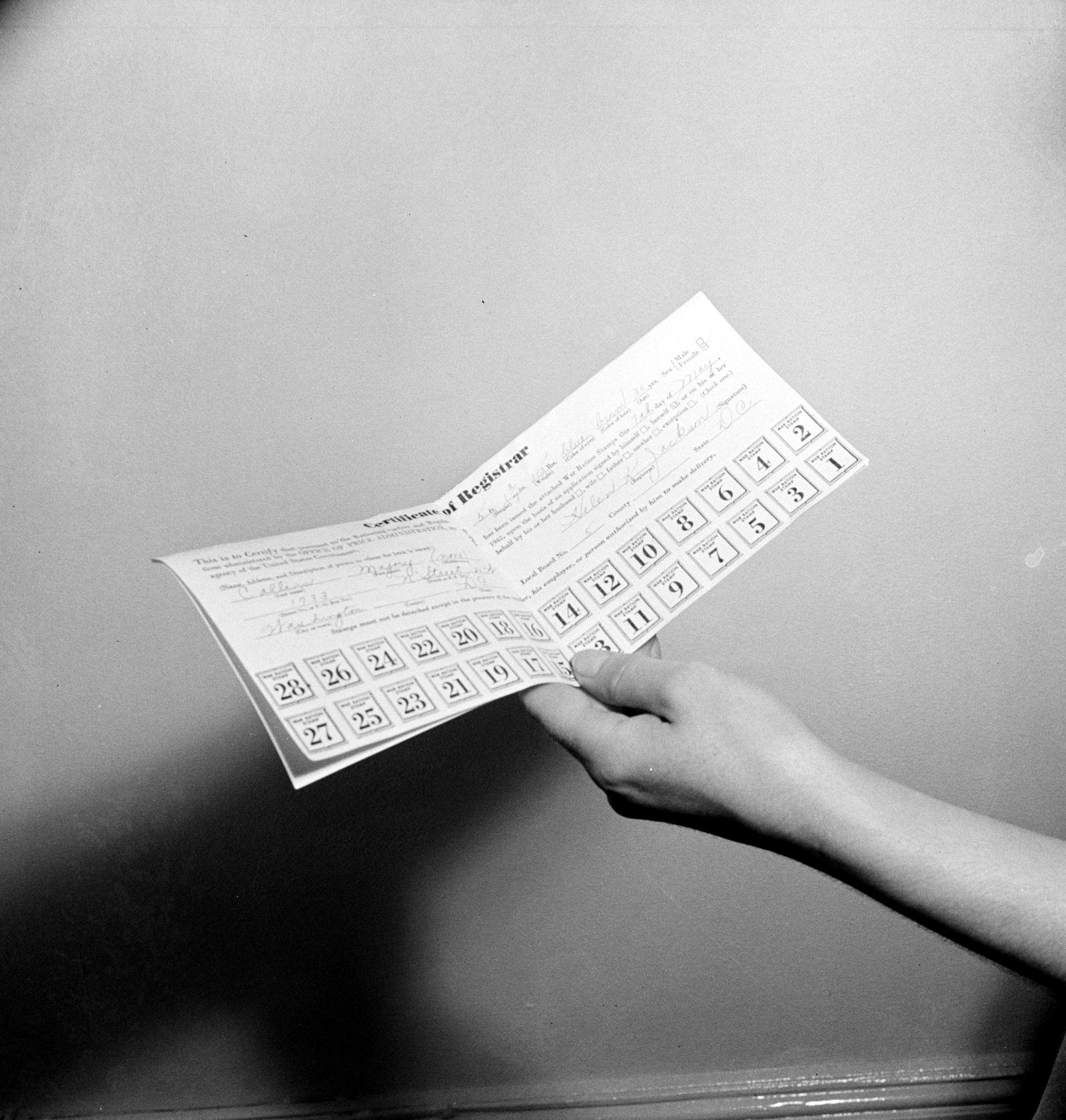
A higher price can change what customers expect from a product and what they compare it with. We examine those expectations before you decide, separating what customers have shown us from what remains uncertain.
Shows what is happening.
We read public documents, statements and data, and publish where the sources agree, where they disagree, and what nobody has explained yet.
National Photo Company. Washington, D.C., 1925.
Tests what today’s data cannot answer.
When a business decision depends on something today’s data and methods cannot measure reliably, we design a test and publish what it finds, including when it fails.
Greek, Hellenistic, about 270–250 BCE. The Metropolitan Museum of Art, 2002.66.
Starts with a decision you bring.
You bring a decision you are about to make. We examine what each option could mean for your sales, customer trust and future choices. You get one signed conclusion: Protect, Clarify or Change, with its reasons and limits.
Marjory Collins. New York, 1943.
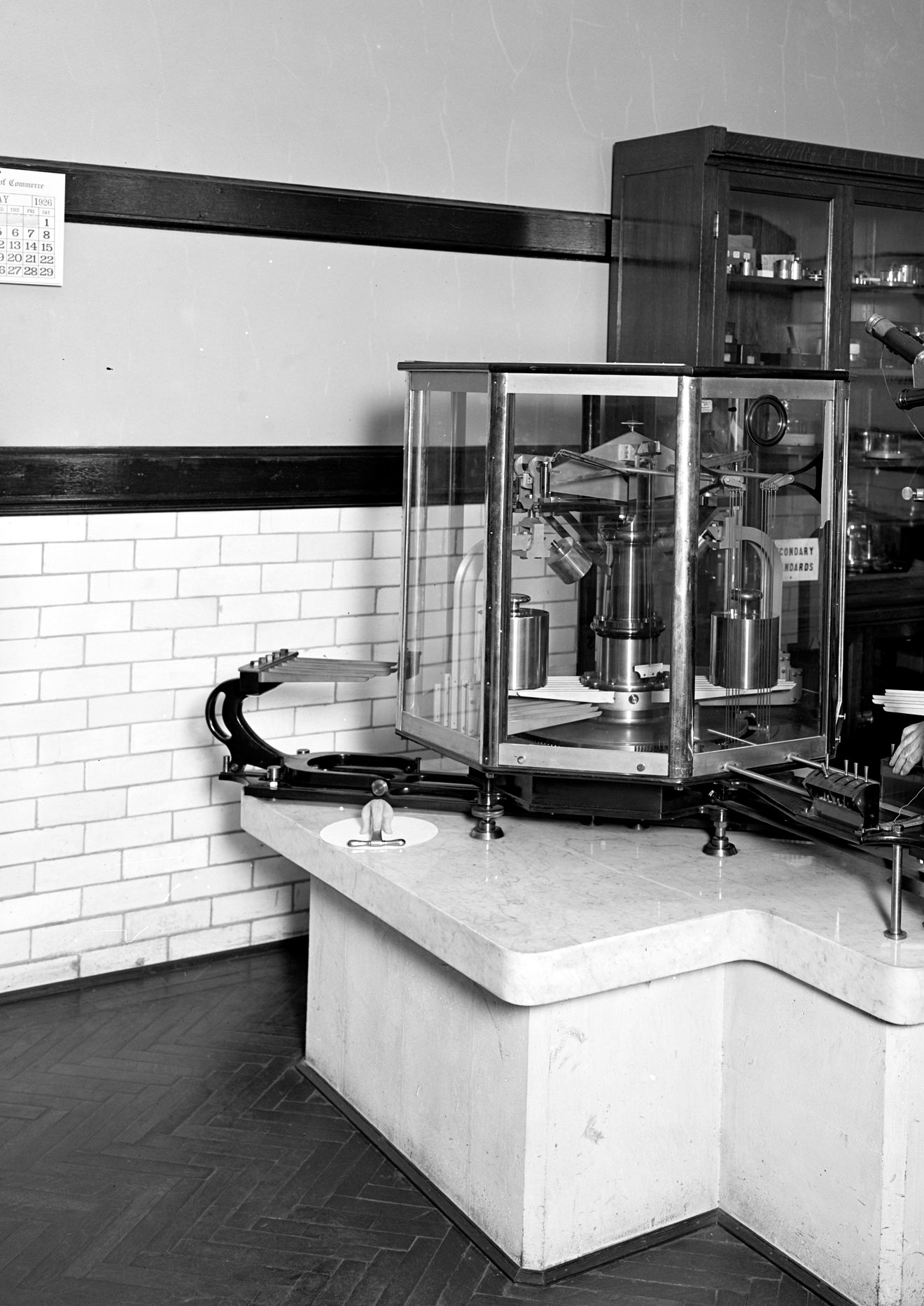
A method is tested when it keeps working.
We call a method tested only after it has given the right answer several times in a row, judged by a pass mark we wrote down before we started.
National Photo Company. Washington, D.C., about 1916.
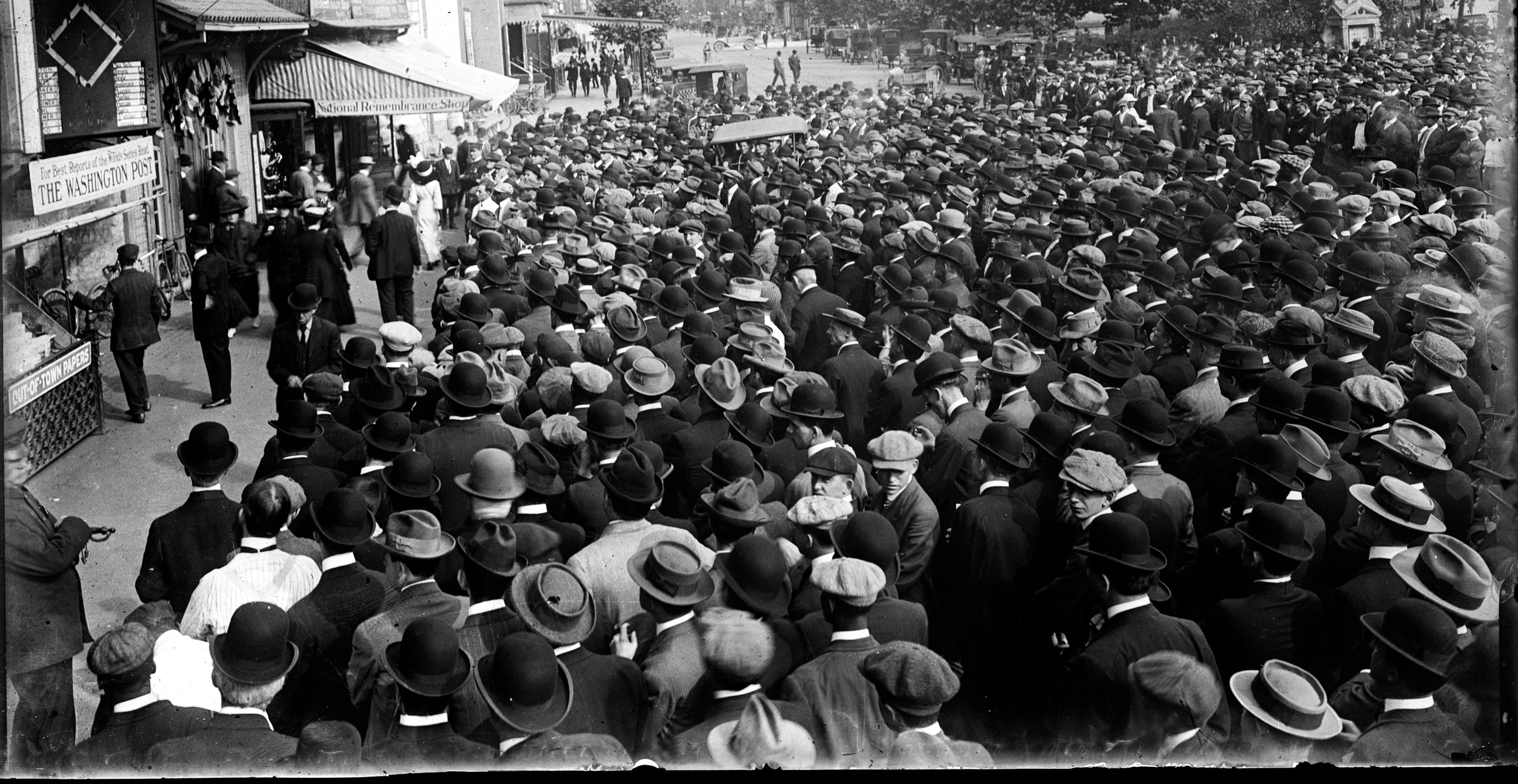
We research a question only when it passes all five tests.
Money, a contract or a hire depends on the answer.
Current results and standard methods leave it open.
We name the exact gap before proposing a test.
We do not know the result in advance.
Others can use the finding again.
Harris & Ewing. Washington, D.C., 1912.
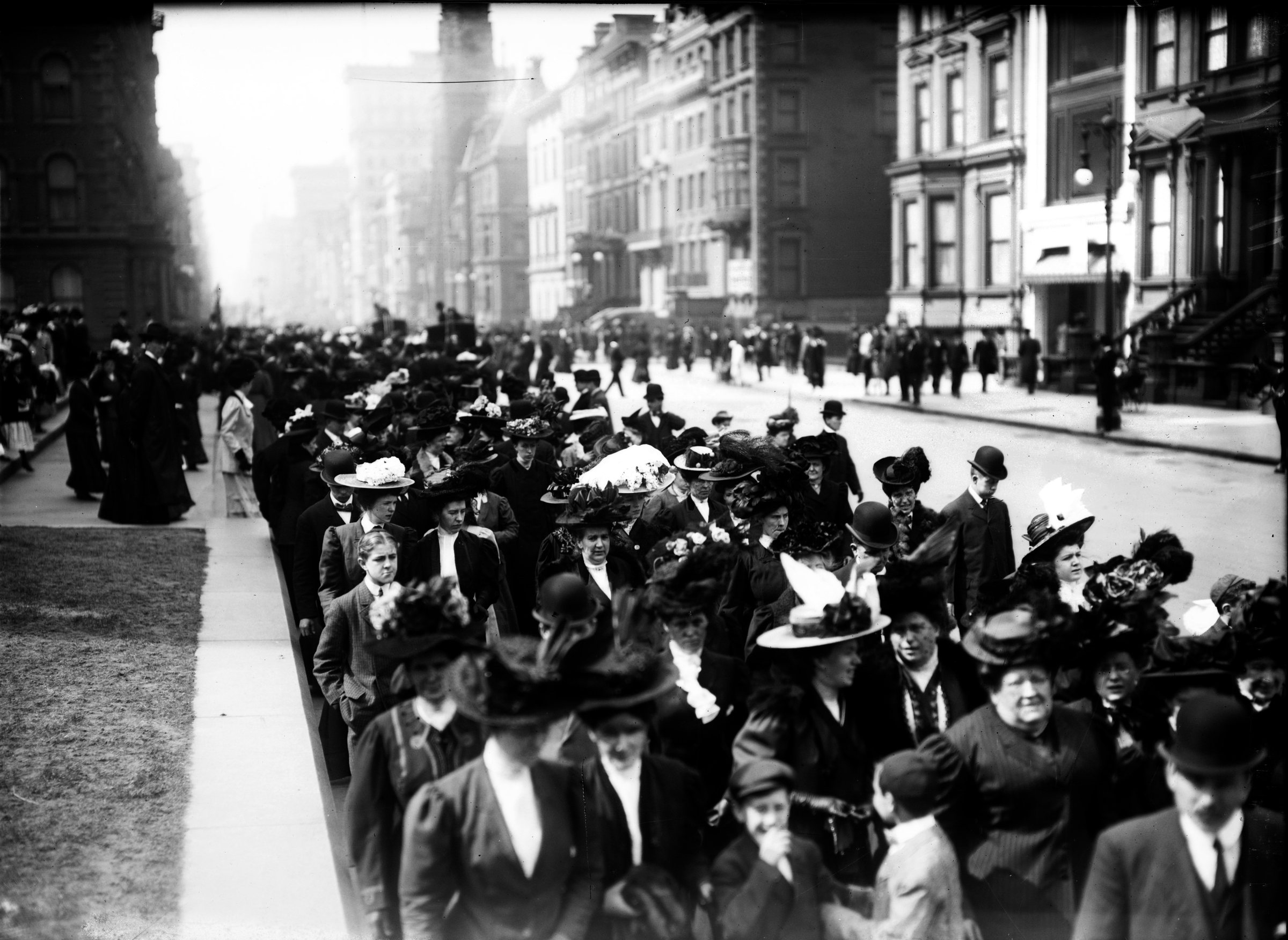
Say what the evidence can support.Stop where it cannot.
That standard governs the intelligence, the research and the practice.
Bain News Service. New York, 1908.